Arkali
A minimal portfolio site for Arkali, an architectural studio in San Pedro, Mexico. Each project is a designed image sequence, so prospective clients can review the work before a first meeting.
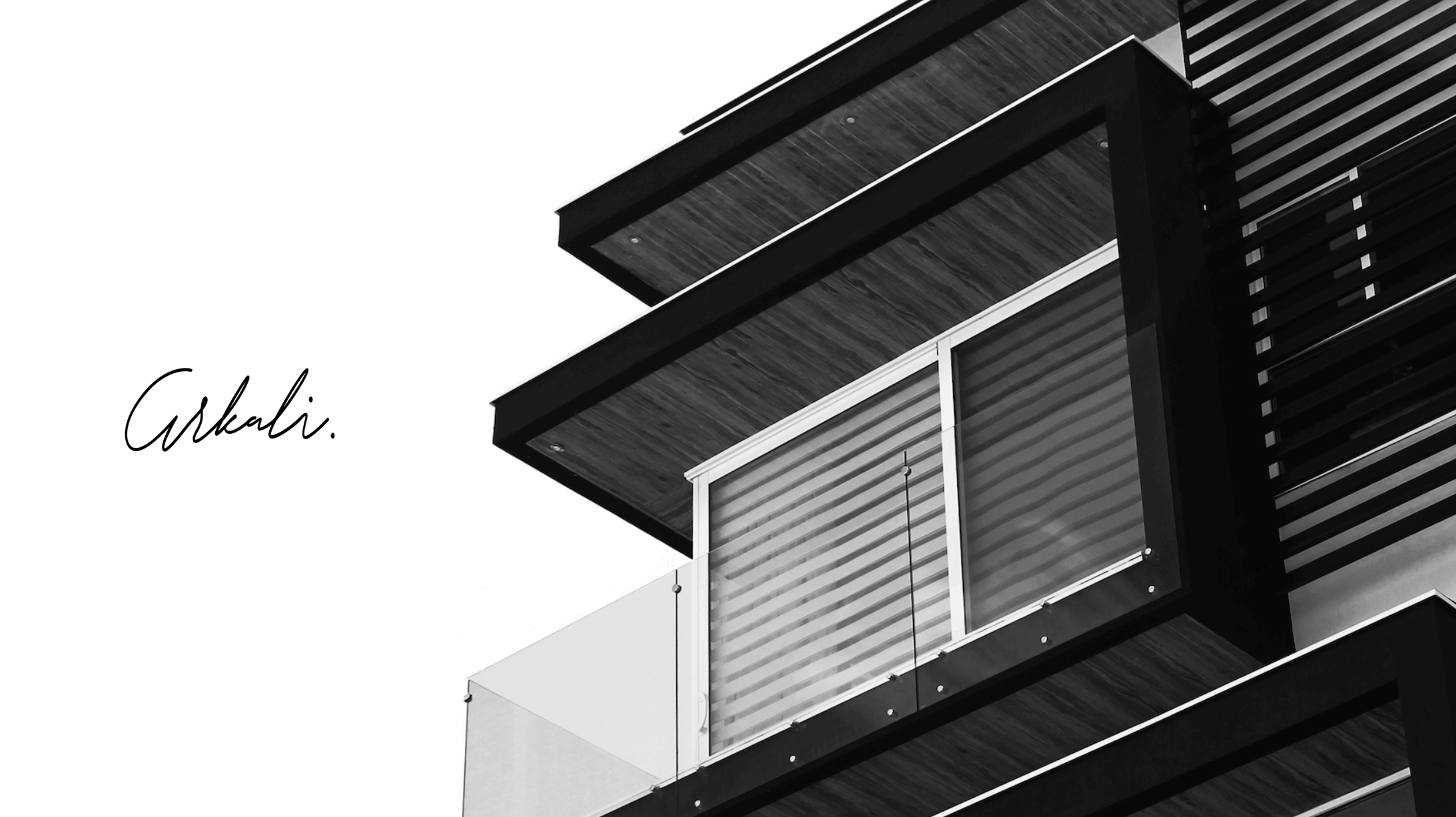
Architecture work that wasn't visible
Arkali is an architectural studio in Mexico with a portfolio of residential and commercial projects built over several years. The problem was never the quality of the work. It was that the work existed only in physical form and in project files, so a prospective client who heard about the studio through a referral had no way to see it before a first meeting. The studio's digital presence was a placeholder that showed nothing of the standard or the range.
For an architectural studio, the work is the credential. A client considering a significant residential commission wants to see what the studio has built before sitting down with the principals. Without a portfolio online, every relationship had to begin with an in-person presentation, which narrowed reach and slowed the first stage of every conversation.
The referrals were arriving. The studio simply had nowhere to send them.
A minimal design that had to be visually precise
An architecture portfolio site carries a constraint that most informational sites do not: the design of the site is itself an argument for the quality of the studio's design thinking. A generic template or a cluttered layout undermines the very thing it is trying to show. The site had to be minimal, with clean typography, controlled whitespace and uncluttered navigation, so the project photography could do the work without the interface competing with it.
Minimal is harder than it looks. With nothing to hide behind, every layout decision, every spacing choice and every typographic selection is exposed to a client who is evaluating design quality from the moment they land. A misaligned caption on a template site goes unnoticed; on this site it is a statement about the studio.
The second constraint was the photography itself. Architectural images are wide, detailed and meant to be seen large. The site had to give them room on a phone as well as on a desktop, without cropping away the spatial quality they were taken to record.
A portfolio site built around the photography
The site is structured around the project portfolio. Each project has its own page with a curated image sequence, not a grid of thumbnails, but a designed layout that reflects how that particular building should be experienced. The opening image establishes scale and tone. The sequence that follows moves through detail, materiality and spatial quality in the order a visitor to the building might encounter them.
Project metadata, programme, location, area and year, appears in a minimal typographic treatment that sits beside the photography without competing with it. A brief description explains the architectural brief and the studio's approach, written to demonstrate thinking rather than to sell.
The studio page introduces the principals and the practice's design philosophy briefly. Navigation is portfolio, studio and contact, and nothing else.
Why a custom build over a portfolio template
Architecture portfolio templates exist, and good ones. The problem with any template is that it imposes a visual logic, a grid, a colour palette, a typographic style, that has to work for many studios and therefore works against a specific one. Arkali's work has a particular spatial quality and material palette. The site had to belong to it.
A custom build gave full control over the layout logic of each project page, the image sequencing and the typographic decisions that make the experience feel like this studio's rather than any studio's. Different projects can be presented with different rhythms because the buildings are different, and a template cannot do that without breaking.
The cost was time and a higher bar for the build. A template ships quickly; this took longer. The trade was accepted because the site's job is to be judged, and a template would have been judged as a template.
How the studio uses it
When a referral comes in, the studio sends a link. The prospective client opens it, moves through the projects closest to what they have in mind, and reads how the studio approached each brief. They arrive at the first meeting having already seen the range of the work and the scale the studio has handled.
The meeting begins from shared context. The principals no longer open with a printed portfolio or a slide deck of the same images; they open with the client's questions about specific projects. Adding a new project means selecting and sequencing its images and writing a short description. The frame is already there.
Nothing about how the studio designs buildings changed. What changed is that the buildings now make the first impression.
What the studio presents to prospective clients
Prospective clients referred to Arkali can review the full portfolio before a first meeting. The site shows the range of the work, the scale of the projects, and the design thinking behind each one, in a design language that holds to the studio's own standard. From San Pedro, Mexico, the studio now has a presence that matches the work.
The foundation is a portfolio structure that grows project by project. Each new building gets the same considered treatment as the last, and the site's minimal frame is the constant that makes the differences between them visible.
Start a project.
Book a call or send a brief. The engineers who would build it read everything.